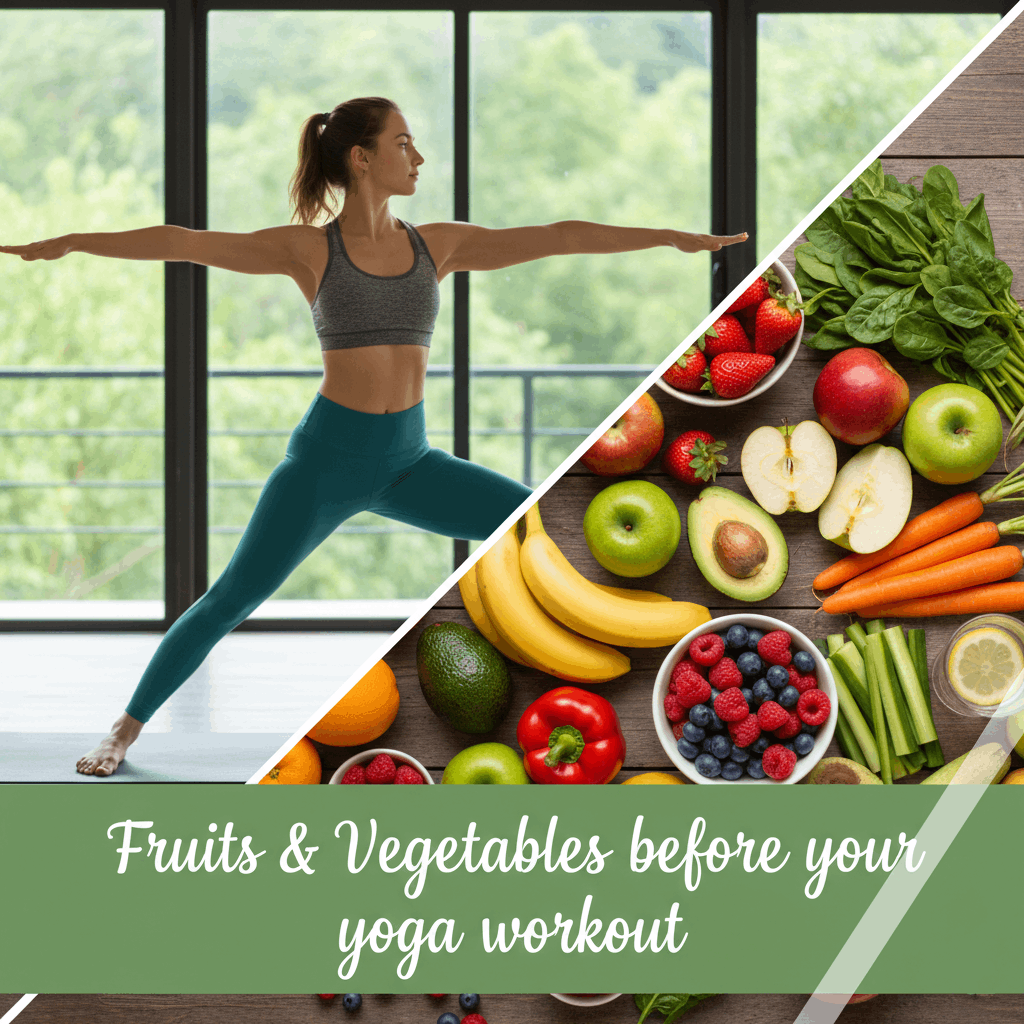
Fruits & Vegetables Before Your Yoga Workout
What you eat before yoga can make a real difference in how your practice feels. Too heavy, and you’re uncomfortable. Too light, and you may feel tired or distracted. The good news? You don’t need complicated rules or special “yoga foods.” Simple fruits and vegetables can be the perfect pre yoga fuel when chosen thoughtfully.
Yoga is about connection—between breath, movement, and awareness. Eating in a way that supports that connection helps you show up on the mat feeling energized, light, and focused.
Why Fruits and Vegetables Work So Well Before Yoga
Fruits and vegetables are easy to digest, naturally hydrating, and rich in vitamins and minerals. They provide gentle energy without weighing you down, which is exactly what most yoga practices call for.
Unlike heavy meals, plant based foods don’t sit in your stomach during forward folds or twists. They support flexibility, steady energy, and mental clarity—especially helpful for morning or midday yoga sessions.
Another bonus? Eating lighter before yoga helps you tune into your body rather than your digestion.
Best Fruits to Eat Before Yoga
Fruits are ideal if you practice yoga in the morning or a few hours after your last meal. They offer natural sugars for energy and are easy on the stomach.
Some great options include:
- Bananas for quick energy and muscle support
- Apples or pears for light fuel and fiber
- Berries for antioxidants without heaviness
- Oranges or mandarins for hydration and freshness
- Mango or papaya if you want something slightly more filling
Keep portions moderate. One piece of fruit or a small bowl is usually enough to power your practice without distraction.
Vegetables That Work Well Pre Practice
Vegetables can also be a great choice, especially if you prefer savory foods or practice later in the day.
Try vegetables that are lighter and easier to digest, such as:
- Cucumbers
- Carrots
- Spinach or mixed greens
- Zucchini
- Bell peppers
You can enjoy them raw, lightly steamed, or blended into a smoothie. A small green smoothie with spinach, cucumber, and fruit is a popular pre yoga option because it hydrates and energizes without feeling heavy.
Timing Is Just as Important as Food Choice
When you eat matters just as much as what you eat. Ideally, give yourself:
- 30–60 minutes after fruit or a light smoothie
- 1–2 hours after vegetables or a small snack
Yoga involves bending, twisting, and deep breathing. Allowing time for digestion helps you move freely and stay comfortable throughout your practice.
If you’re practicing early in the morning and don’t feel hungry, it’s okay to practice on an empty stomach or with just water or herbal tea.
Listening to Your Body Is the Real Rule
Yoga isn’t about strict rules, and neither is eating. Everyone’s digestion is different. Some people feel great with fruit before yoga, while others prefer vegetables or nothing at all.
Pay attention to how you feel during and after practice. Energy levels, focus, and comfort are your best guides. Over time, you’ll naturally learn what works best for your body and your schedule.
Yoga Is a Lifestyle, Not Just a Workout
Choosing fruits and vegetables before yoga isn’t about perfection—it’s about intention. It’s a small act of care that supports your practice and reflects the yoga lifestyle: mindful, balanced, and connected.
When food supports your movement instead of competing with it, yoga becomes easier, lighter, and more enjoyable. And that’s the kind of routine you’re far more likely to stick with.
Simple choices. Better flow. A more peaceful practice on and off the mat.